 By
By Content
Developing a social network that supports ongoing sobriety is also an important component of the recovery model used in SLHs. Residents are encouraged to provide mutual support and encouragement for recovery with fellow peers in the house. Those who have been in the house the longest and who have more time in recovery are especially encouraged to provide support to new residents. This type of “giving back” is consistent with a principle of recovery in 12-step groups. SLHs have their origins in the state of California and most continue to be located there (Polcin & Henderson, 2008). It is difficult to ascertain the exact number because they are not formal treatment programs and are therefore outside the purview of state licensing agencies.
- Chris is a storyteller and aims to share his story with others in the hopes of helping them achieve their own recovery.
- In communities that are unable to fund a sufficient number of treatment programs for individuals with substance use disorders, freestanding SLHs might be a clinically and economically effective alternative.
- Sober living homes and halfway houses are frequently confused and for good reason.
- If they think you might be a good fit, they’ll likely ask you some of their own.
- Also like other sober-living environments, halfway houses generally have systems in place to keep residents sober, and drugs tests are usually administered to monitor for any substance use.
Most of them view their homes as a necessary component of a successful recovery. Specific nuances of each rule depend on the sober living home or manager. As you’re searching for the environment that’s right for you, ask each potential recovery home what their rules are. By Julia Childs Heyl, MSW
Julia Childs Heyl, MSW, is a clinical social worker and writer.
Finding A Sober Living Home
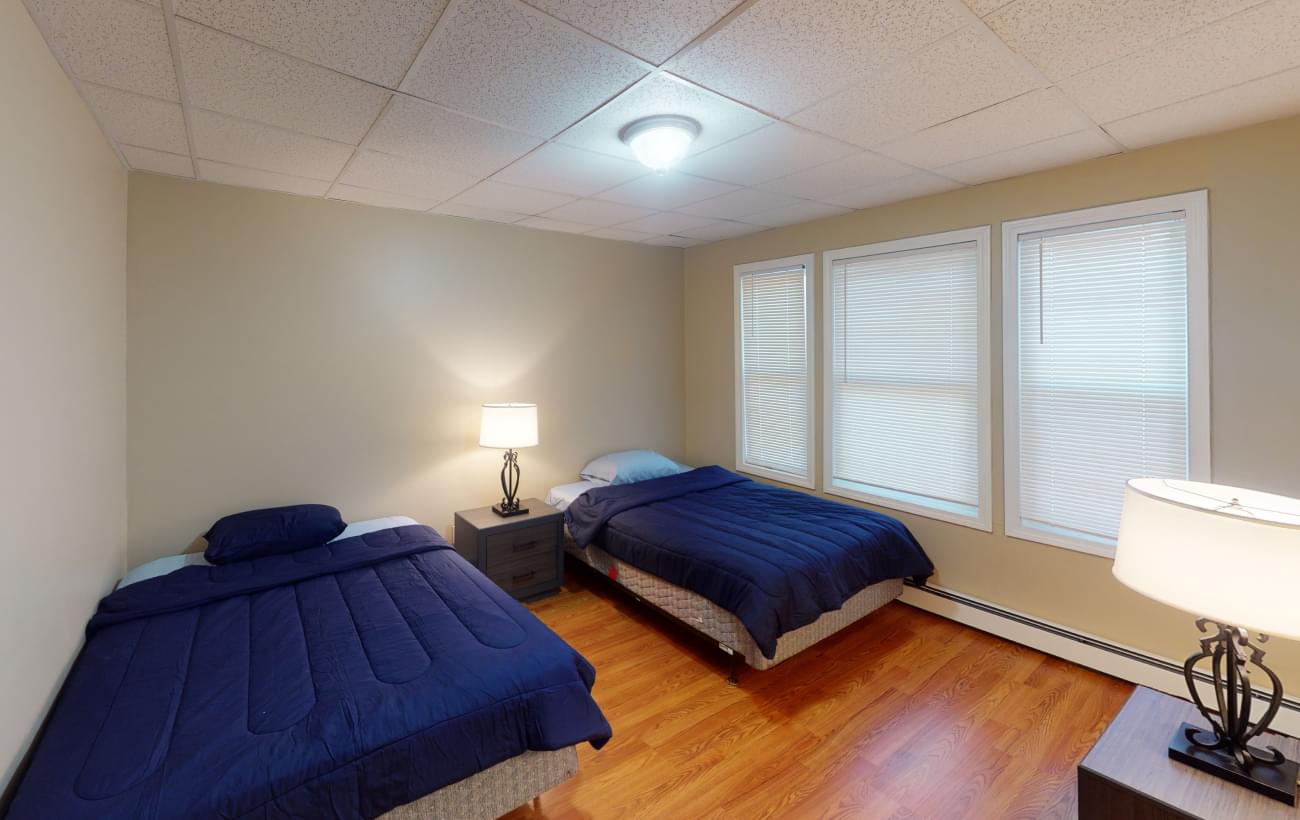
A sober living house is a peer-managed home designed to help people maintain sobriety. This is achieved through required sobriety, recovery group attendance, and household participation. Those who live in these houses rent rooms indefinitely and live a life in accordance with their responsibilities, like work and school. To have the best chance for effectively recovering from addiction or substance abuse and remaining sober long-term, individuals should look for drug-free, stable housing that will support their recovery. Residents may remain in a sober living home for as long as they want – if they continue following the house rules.
- Residents may not have to pay for utilities at all, making housing very affordable.
- While completing a substance abuse rehab program before moving in may not be required, it can help individuals to stay sober.
- It can be challenging for New York residents early in their recovery to make it through to sobriety without having support.
- Typically, as long as you follow the rules, you may live in the home for as long as you want.
The houses are different from freestanding SLHs, such as those at CSTL, because all residents must be involved in the outpatient program. Most residents enter the houses after residing in a short term homeless shelter located near the program. At admission, nearly all residents are eligible for some type of government assistance (e.g., general assistance or social security disability) and use those funds to pay SLH fees. To help limit social isolation and reduce costs residents share bedrooms. Like other SLH models of recovery, residence are free to stay as long as they wish provide they comply with house rules (e.g., curfews, attendance at 12-step meetings) and fulfill their financial obligations.
Rules & Regulations of a Sober Living House
As you likely know, it is hard to ignore temptation or cravings, especially in the early stages of recovery. We are New England’s premier sober living provider, with homes across Massachusetts, Connecticut, Rhode Island, and Maine. A $200 deposit is due when moving in, additional to your first week payment. Guests of sober homes pay affordable and simple all-inclusive rent payments on a weekly or monthly basis. Join our sober living community or refer a client, family member, or friend. Submit an application online and receive a call back within 24 hours.
The drinking status of the social network was calculated by multiplying the amount of contact by the drinking pattern of each network member, averaged across the network. The same method is applied to obtain the drug status of the network member; the amount of contact is multiplied by the pattern of drug use and averaged across network members. Central to recovery in SLHs is involvement in 12-step mutual help groups (Polcin & Henderson, 2008). However, some houses will allow other types of activities that can substitute for 12 step groups, provided they constitute a strategy for maintaining ongoing abstinence.
Sober Living Houses vs. Halfway Houses
Local zoning laws regulate the use of land and the structures built on it. These laws will determine whether an existing property such as a residential home can be repurposed. Regardless sober house of where you are in your sobriety journey, Real Recovery can help. With a variety of treatment programs and compassionate staff, you’re sure to find the next step toward freedom.
No Comment